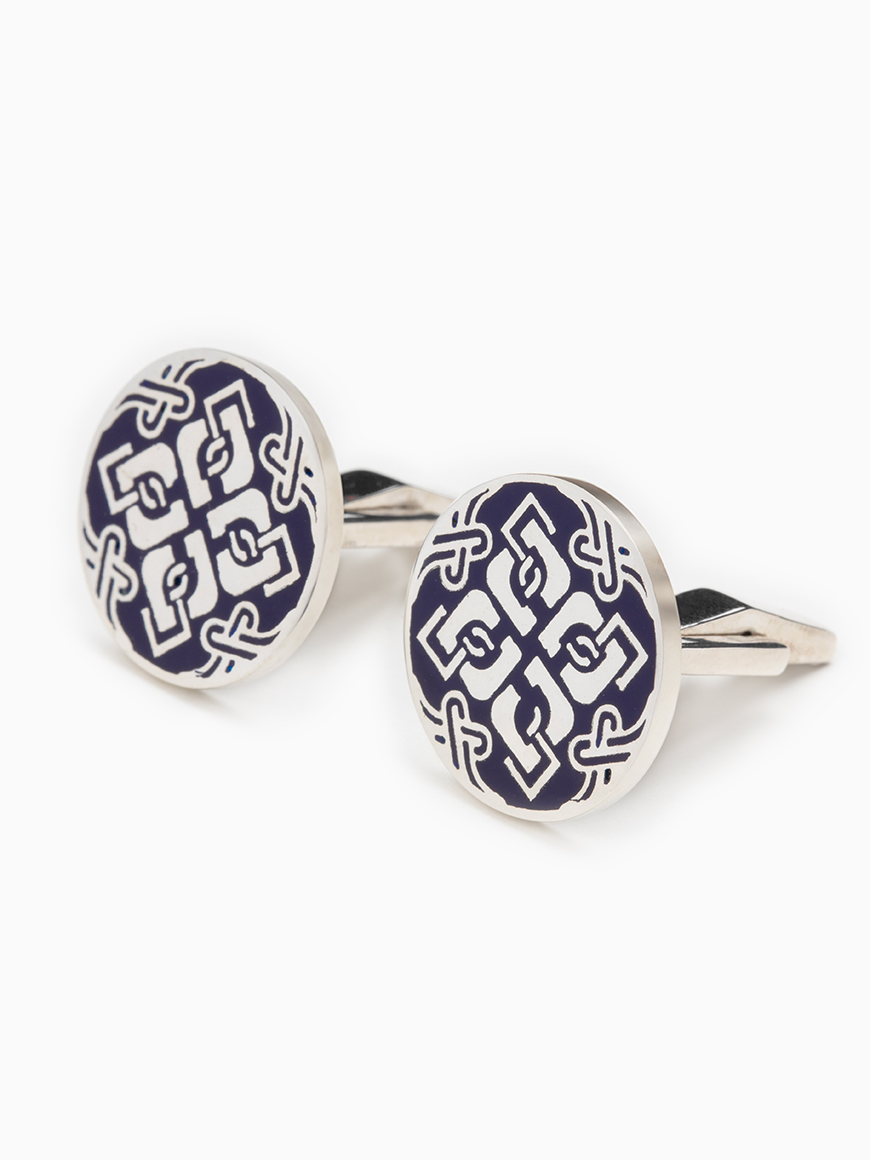
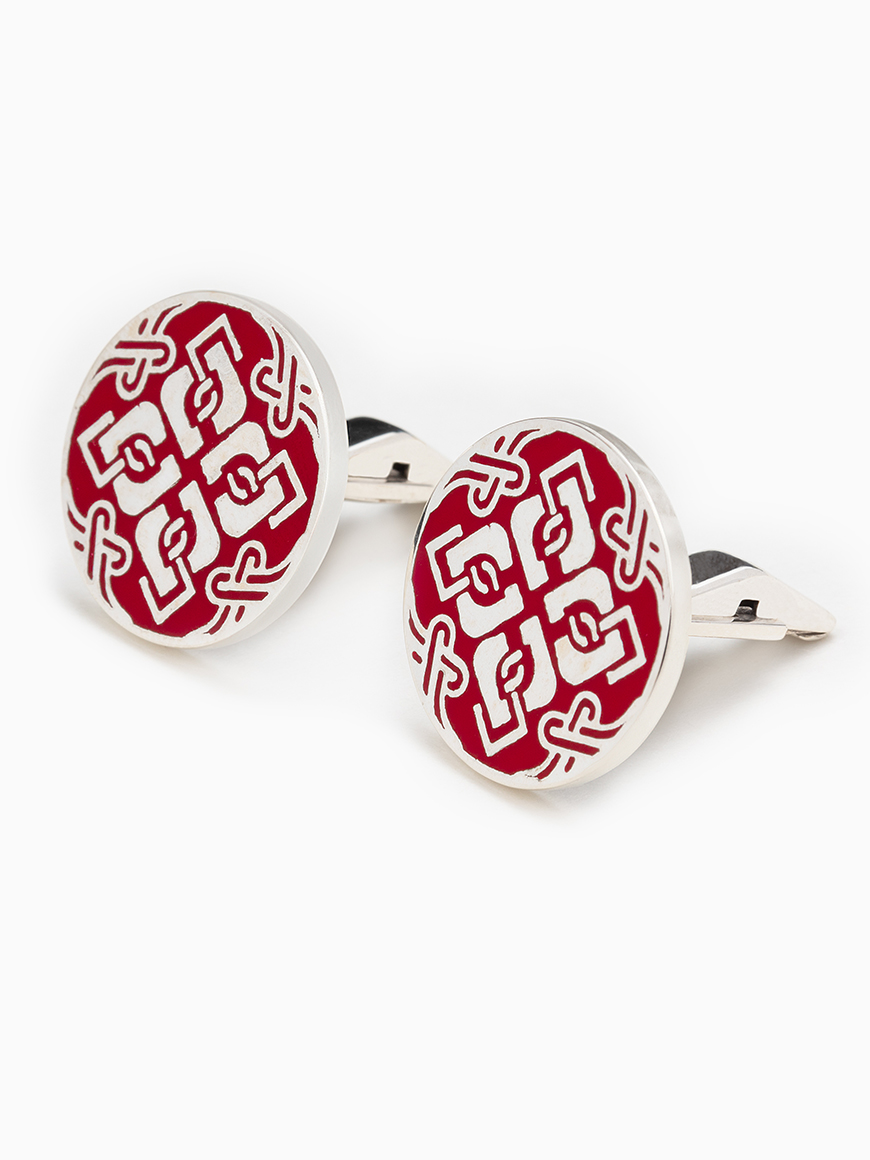
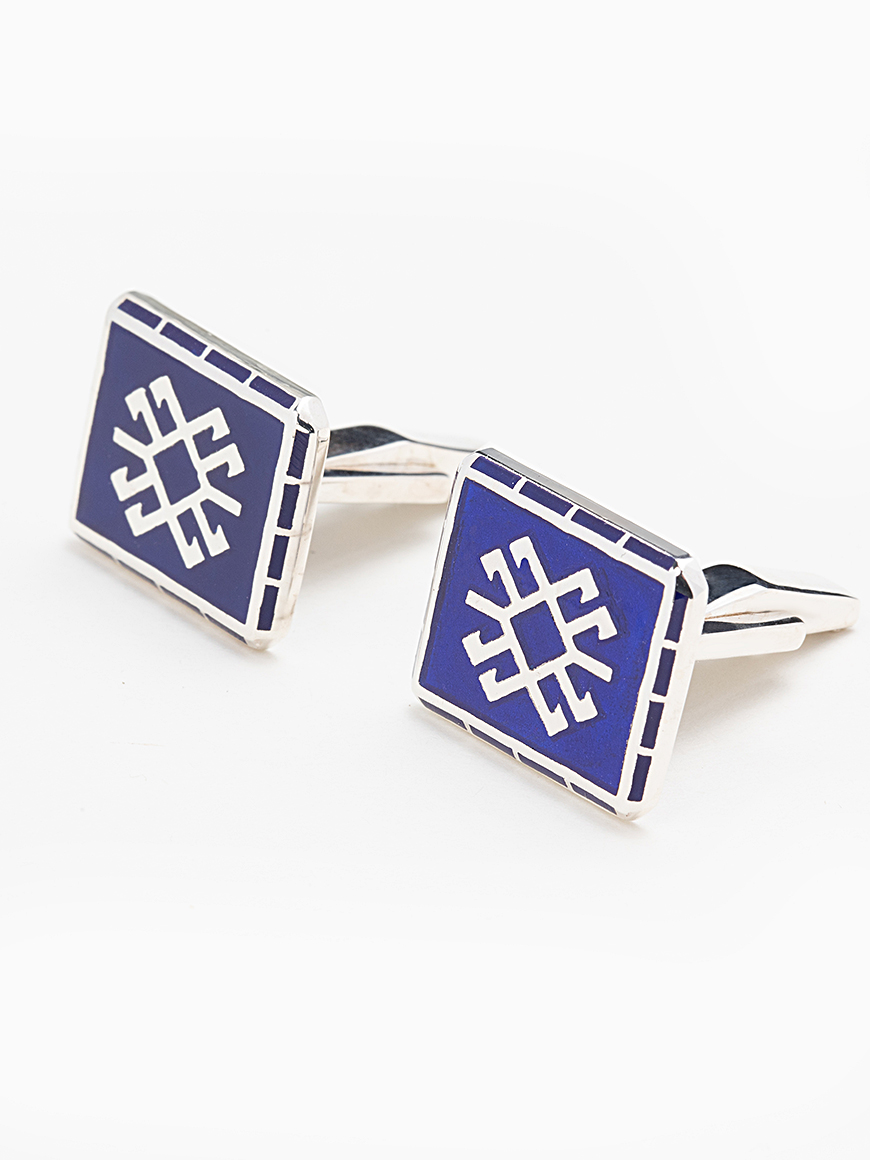
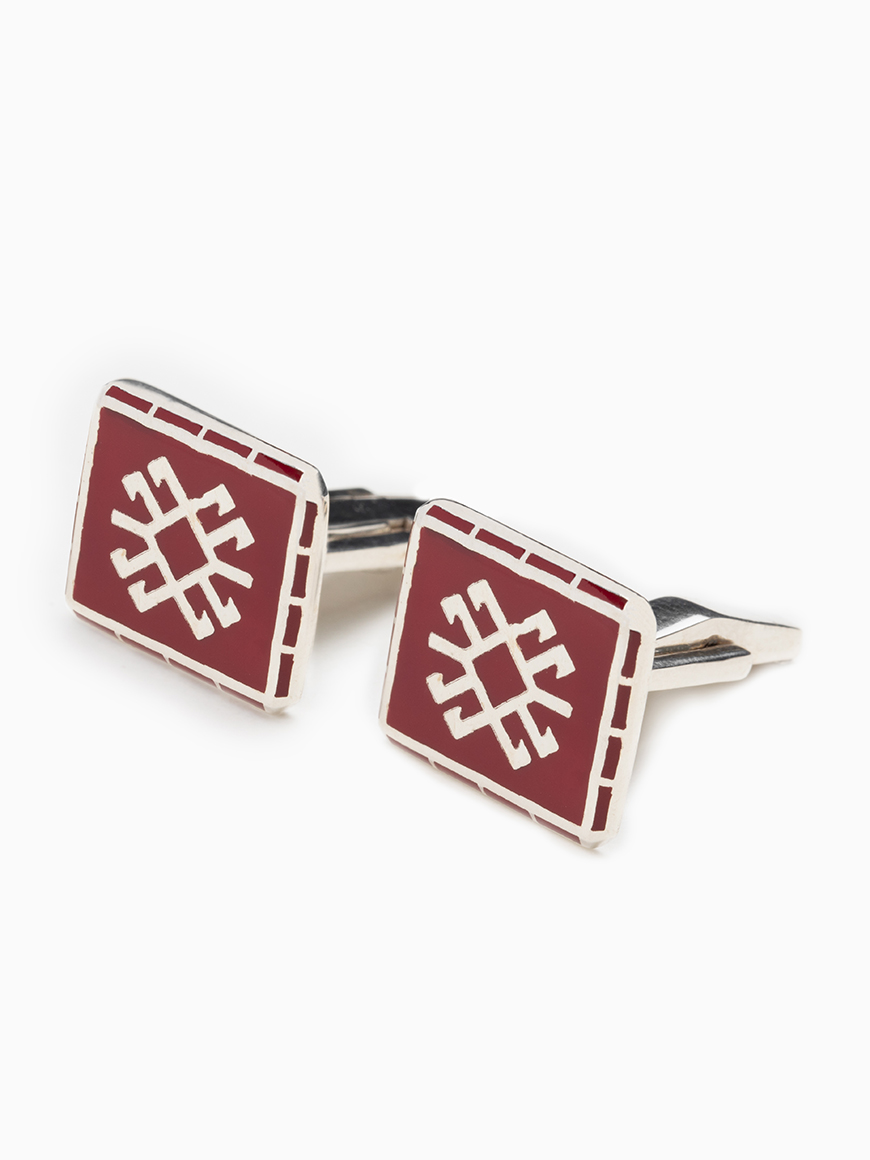
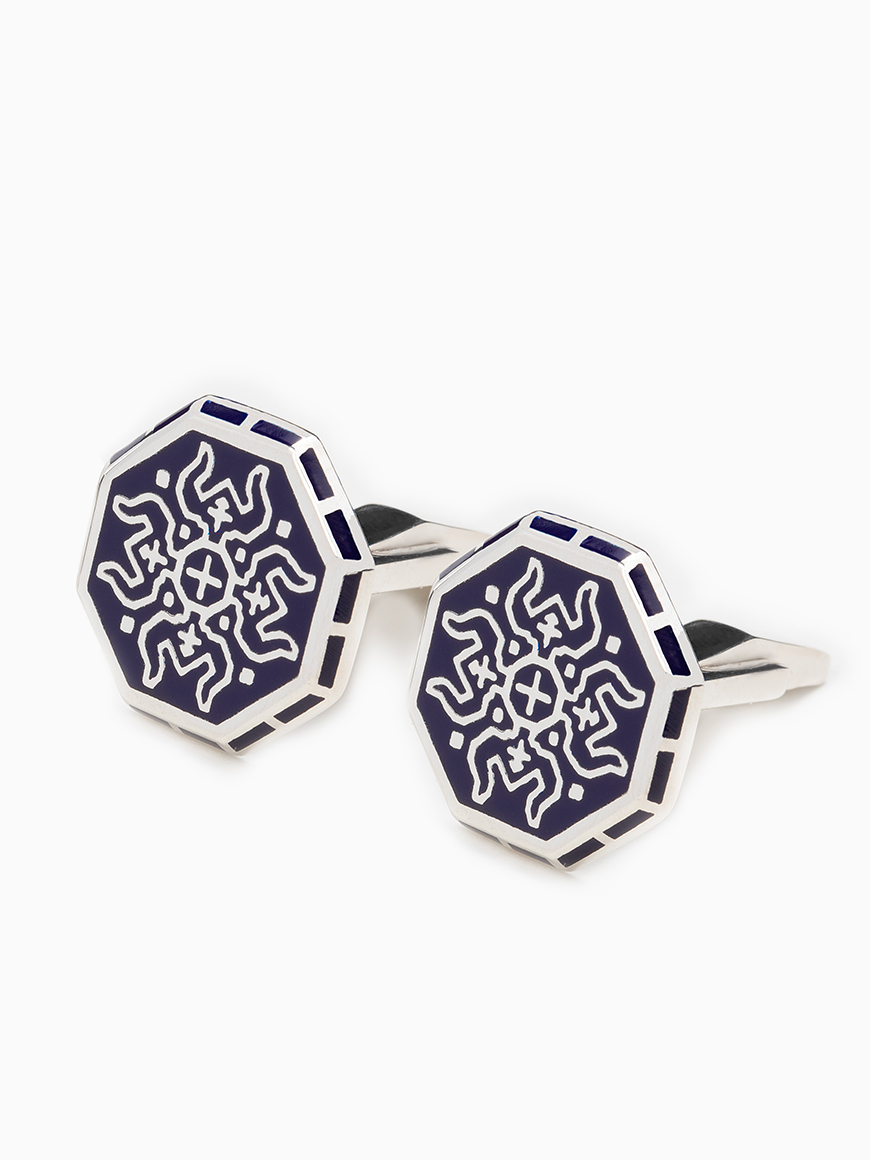
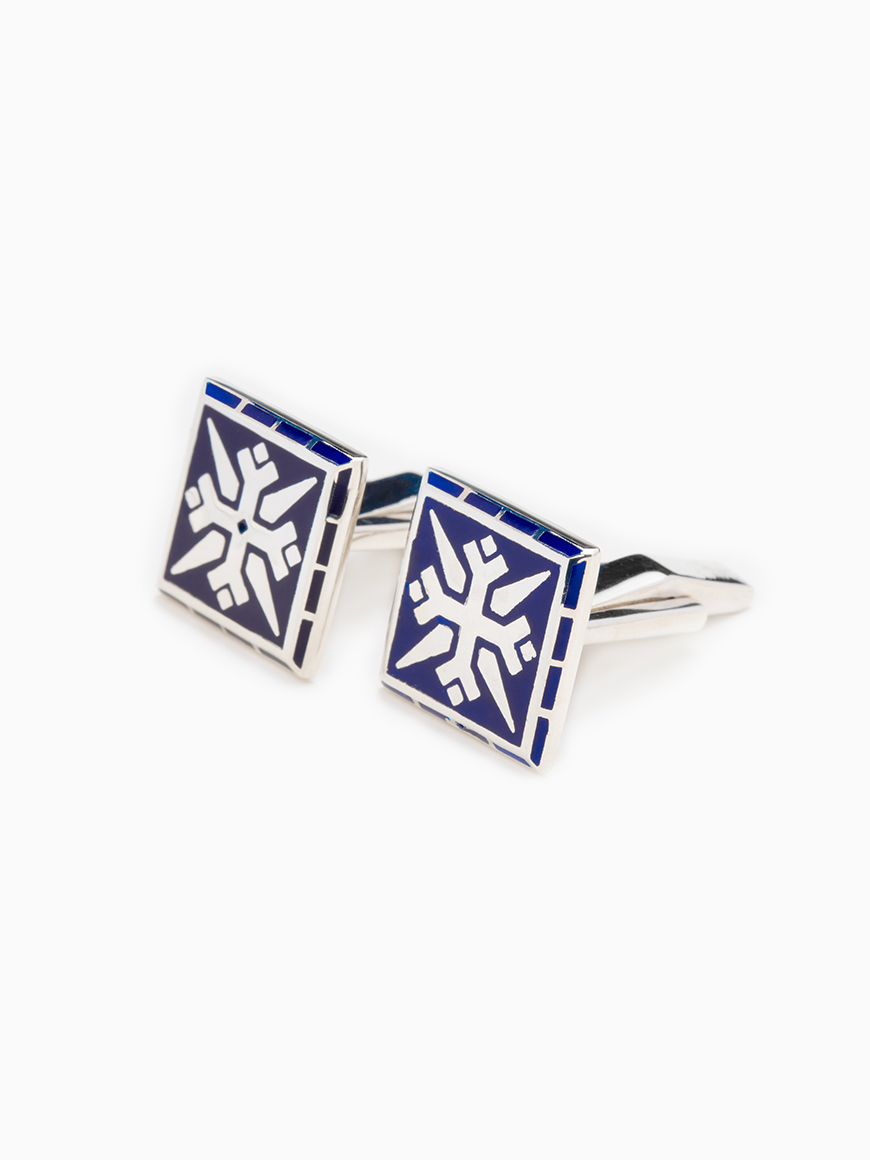
The ”Architectural” ornaments replicate the patterns of a distinct and separate branch of culture—ornamental art. As early as the Middle Ages, churches, houses, and other buildings were decorated with these motifs. These designs became widely popular and, in addition to architectural monuments, were reproduced on...
The ”Architectural” ornaments replicate the patterns of a distinct and separate branch of culture—ornamental art. As early as the Middle Ages, churches, houses, and other buildings were decorated with these motifs. These designs became widely popular and, in addition to architectural monuments, were reproduced on...
The ”Dragon” type ornaments are inspired by a 16th-century Dragon rug housed in the Museum of London. Throughout history, there have been various designs of dragon rugs, but in Armenian carpet weaving culture, the dragon represents the embodiment of a national hero as well as...
The ”Dragon” type ornaments are inspired by a 16th-century Dragon rug housed in the Museum of London. Throughout history, there have been various designs of dragon rugs, but in Armenian carpet weaving culture, the dragon represents the embodiment of a national hero as well as...
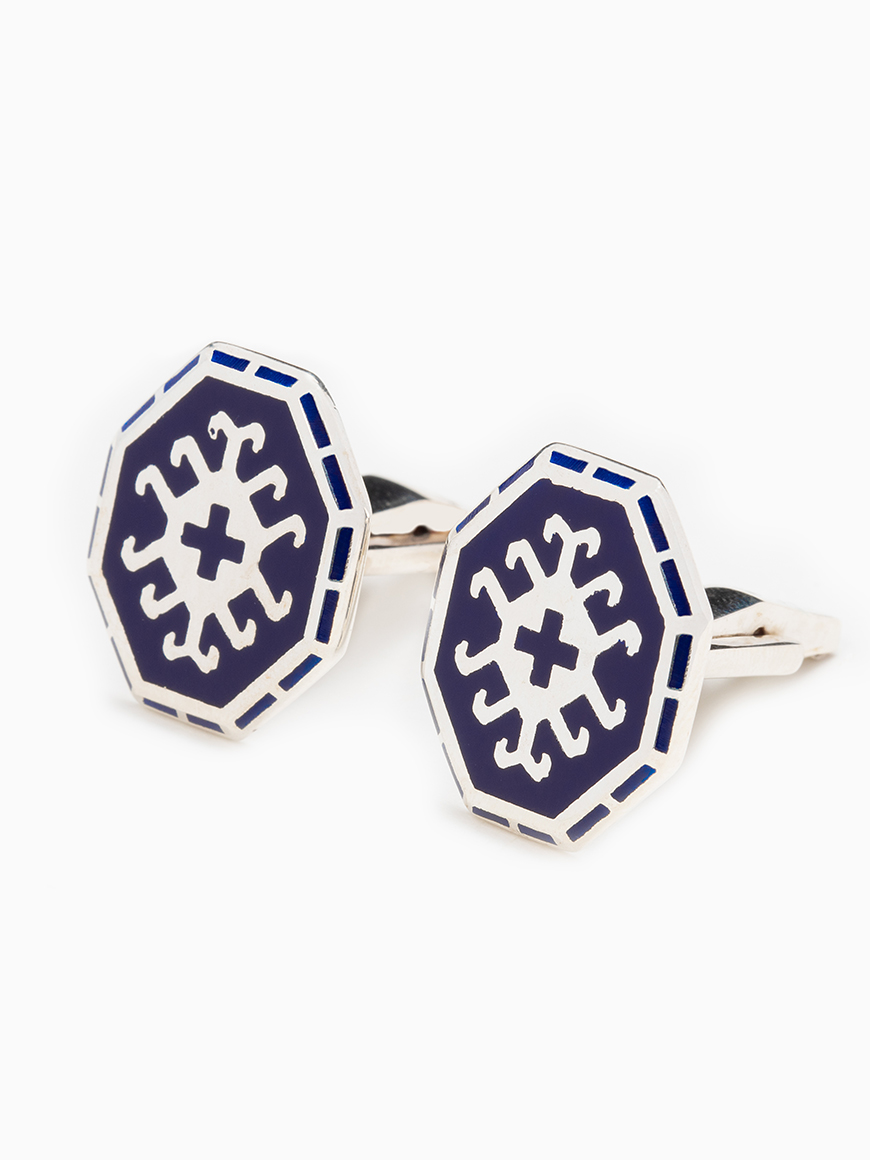
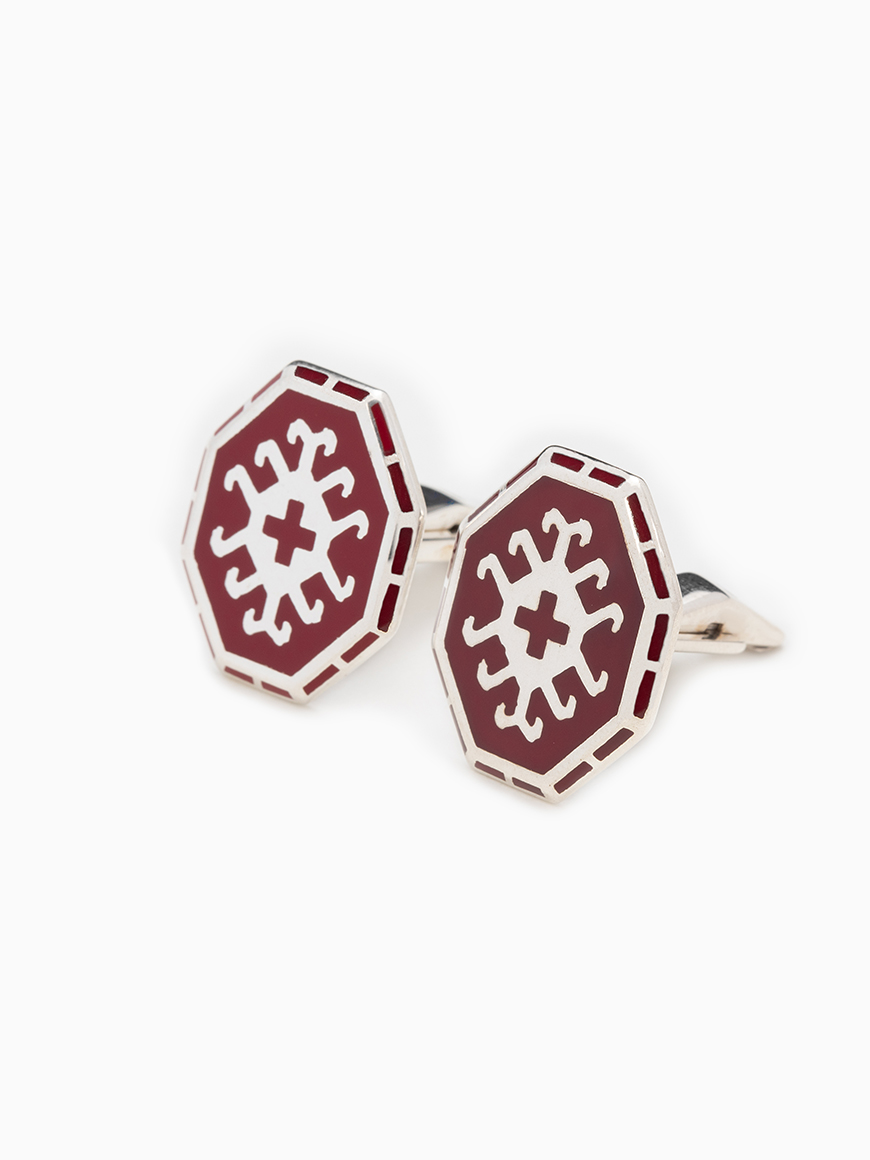
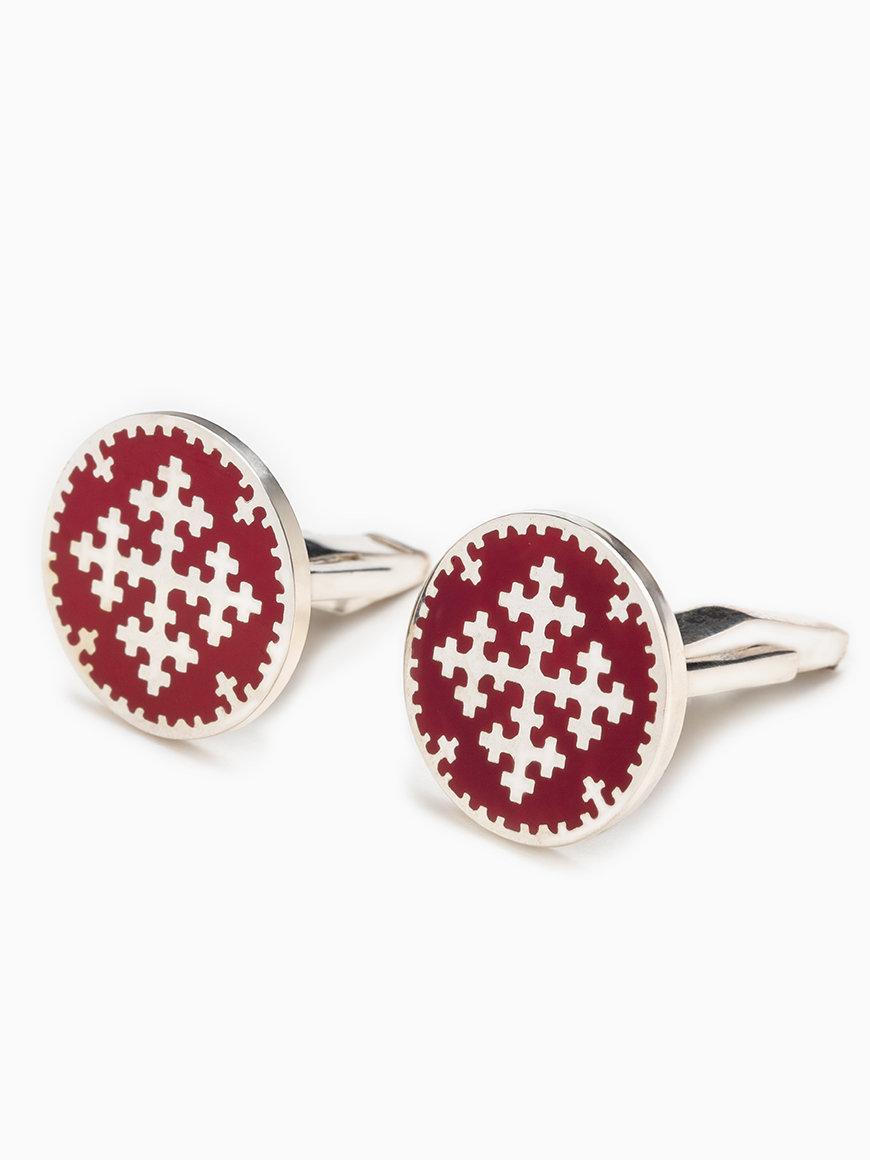
The ”Khachkhoran” type ornaments replicate the central design of one of the most beautiful rugs, the ”Khachkhoran.” The design dates back to the 10th–12th centuries. At the center of the rug is a cross surrounded by elegant bands. The rug features vivid Armenian color decoration....
The ”Khachkhoran” type ornaments replicate the central design of one of the most beautiful rugs, the ”Khachkhoran.” The design dates back to the 10th–12th centuries. At the center of the rug is a cross surrounded by elegant bands. The rug features vivid Armenian color decoration....
The ”Lori” collection of ornaments is derived from the ”Lori” rug, which belongs to the Lori region. At the center is an octagonal polyhedral design, within which lies a shield-shaped cross symbolizing eternity. On all four sides of the border are images of trees of...
The ”Lori” collection of ornaments is derived from the ”Lori” rug, which belongs to the Lori region. At the center is an octagonal polyhedral design, within which lies a shield-shaped cross symbolizing eternity. On all four sides of the border are images of trees of...
The ”Lori” collection of ornaments is derived from the ”Lori” rug, which belongs to the Lori region. At the center is an octagonal polyhedral design, within which lies a shield-shaped cross symbolizing eternity. On all four sides of the border are images of trees of...
The ”Marash” ornaments are inspired by the embroidery of Marash, one of the most flourishing centers of crafts and arts. Their decorative patterns are distinguished by their variety and uniqueness. Common motifs include crosses, stars, birds, almonds, and more.
The ”Marash” ornaments are inspired by the embroidery of Marash, one of the most flourishing centers of crafts and arts. Their decorative patterns are distinguished by their variety and uniqueness. Common motifs include crosses, stars, birds, almonds, and more.
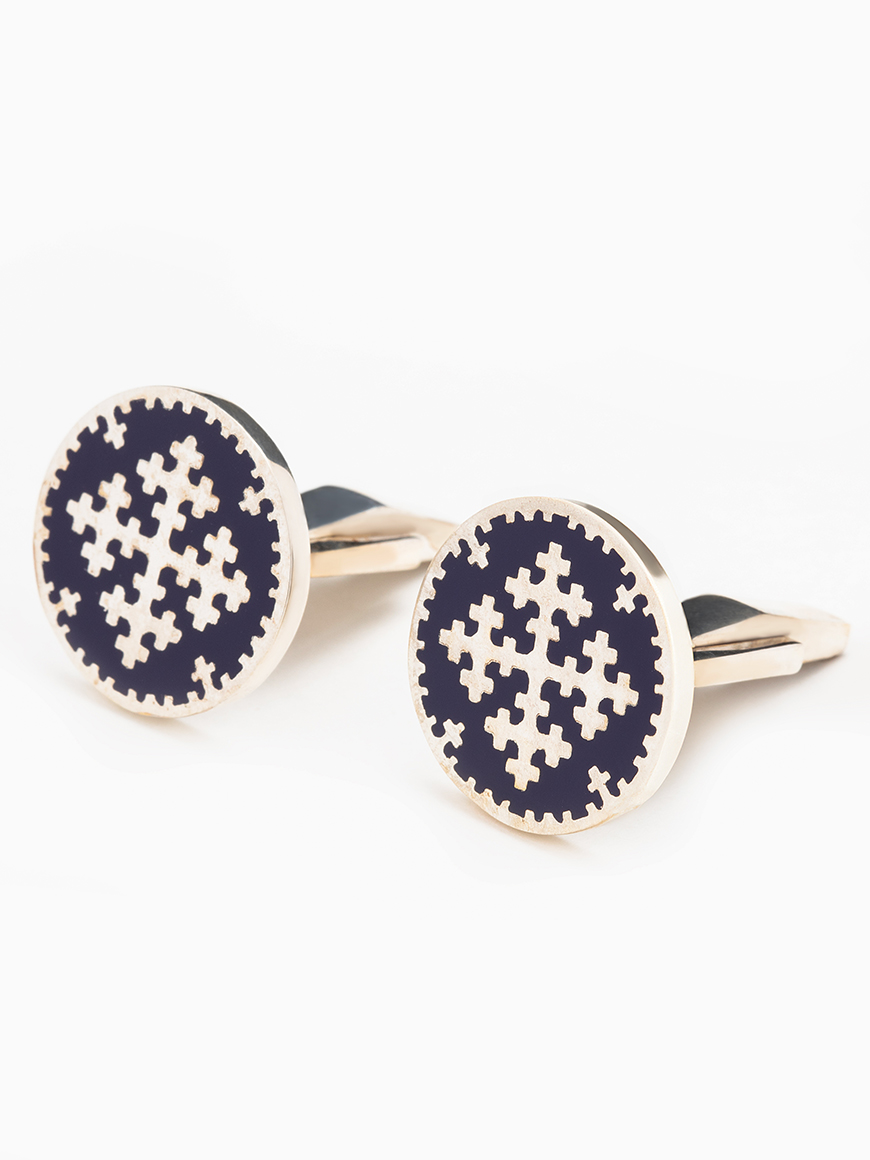
The ”Pazirik” collection of ornaments replicates the decorative patterns of the ”Pazirik” rug, dated to the 5th–4th centuries BCE. It was discovered in 1949 in an ancient burial site located in the Pazirik region of the Altai Mountains. The rug remained preserved for around 2,500...
Free Wordlwide delivery
Lorem ipsum dolor sit amet, consectetu adipiscing elit, sed eiusmod lorem tempor incididunt.
24/7 Support Center
Lorem ipsum dolor sit amet, consectetu adipiscing elit, sed eiusmod lorem tempor incididunt.