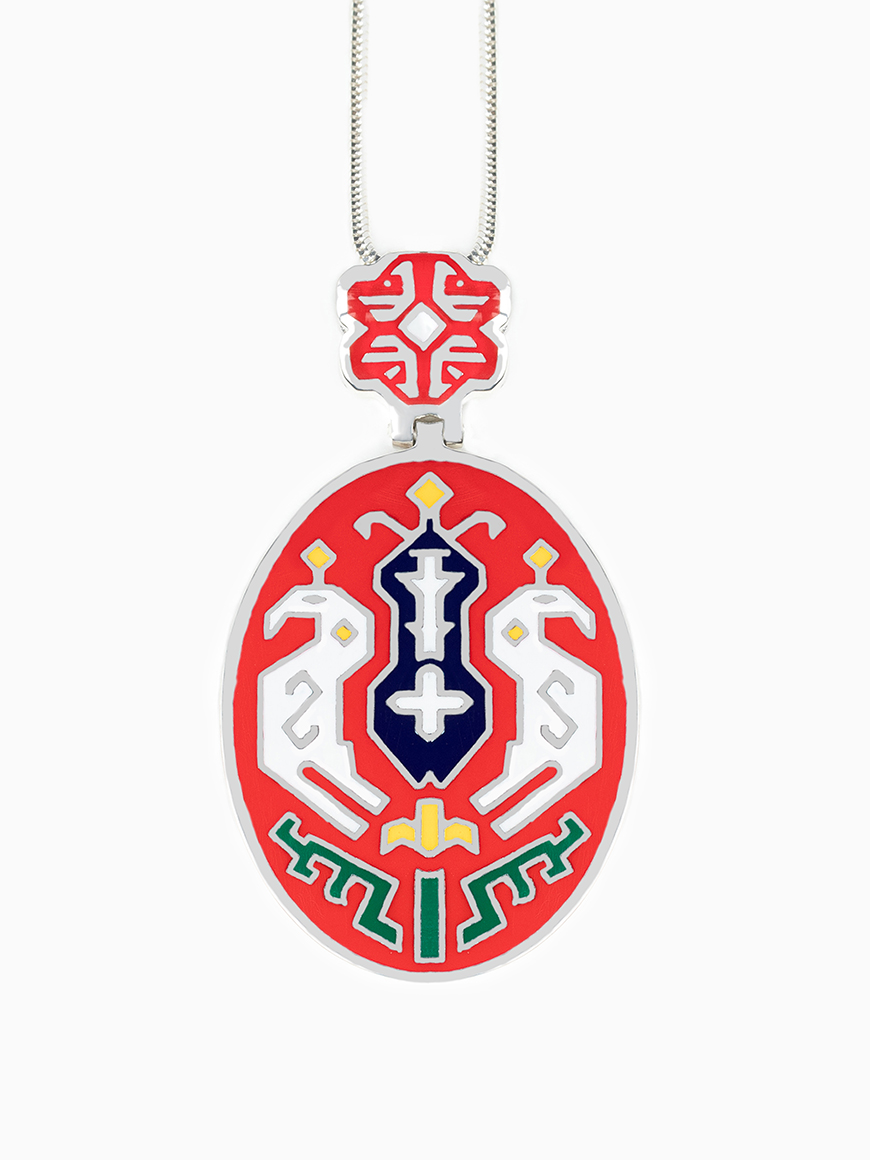
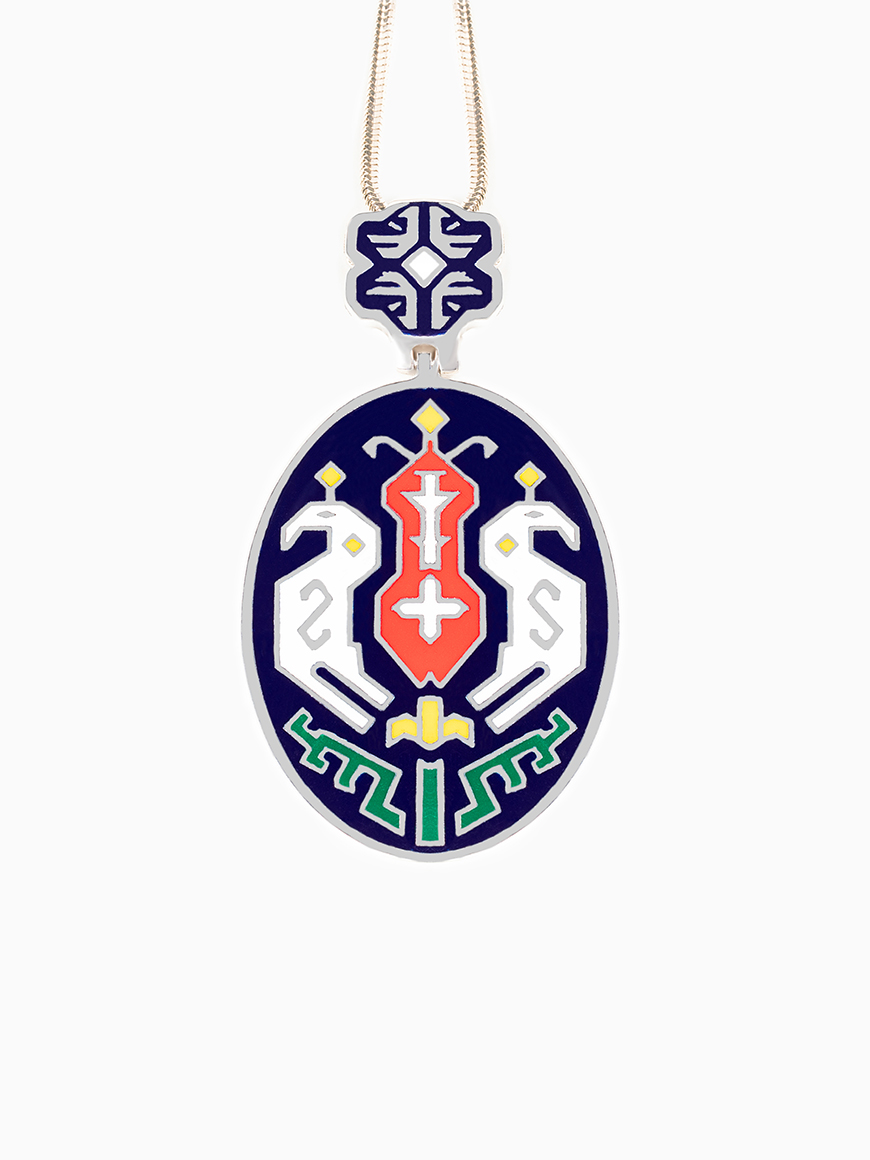
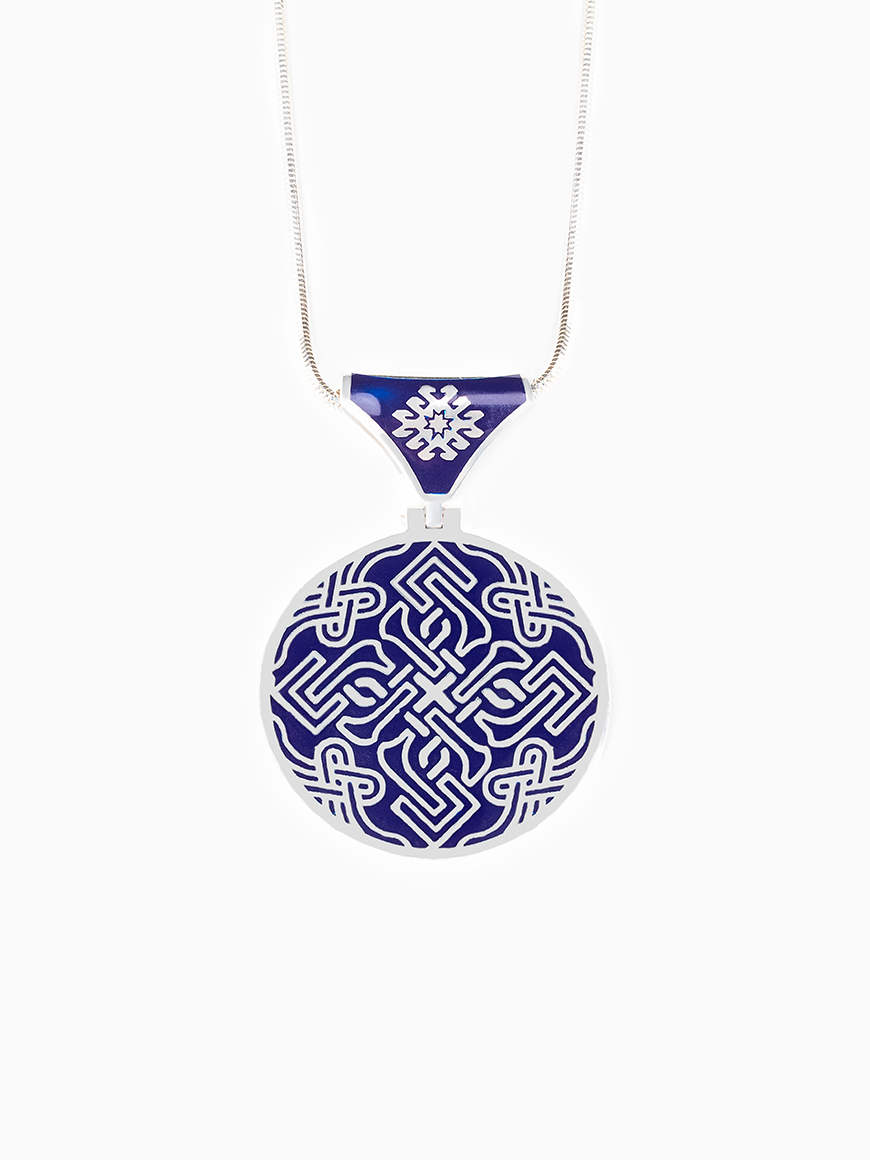
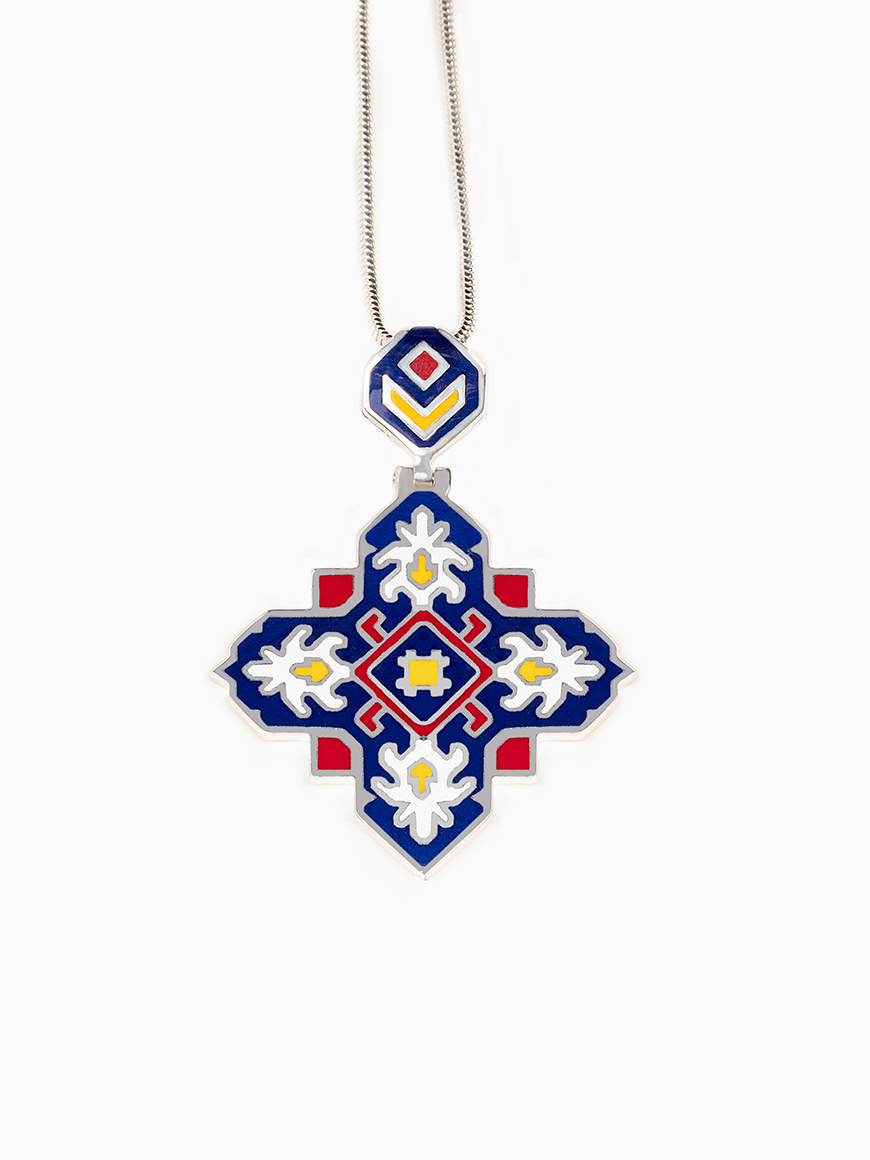
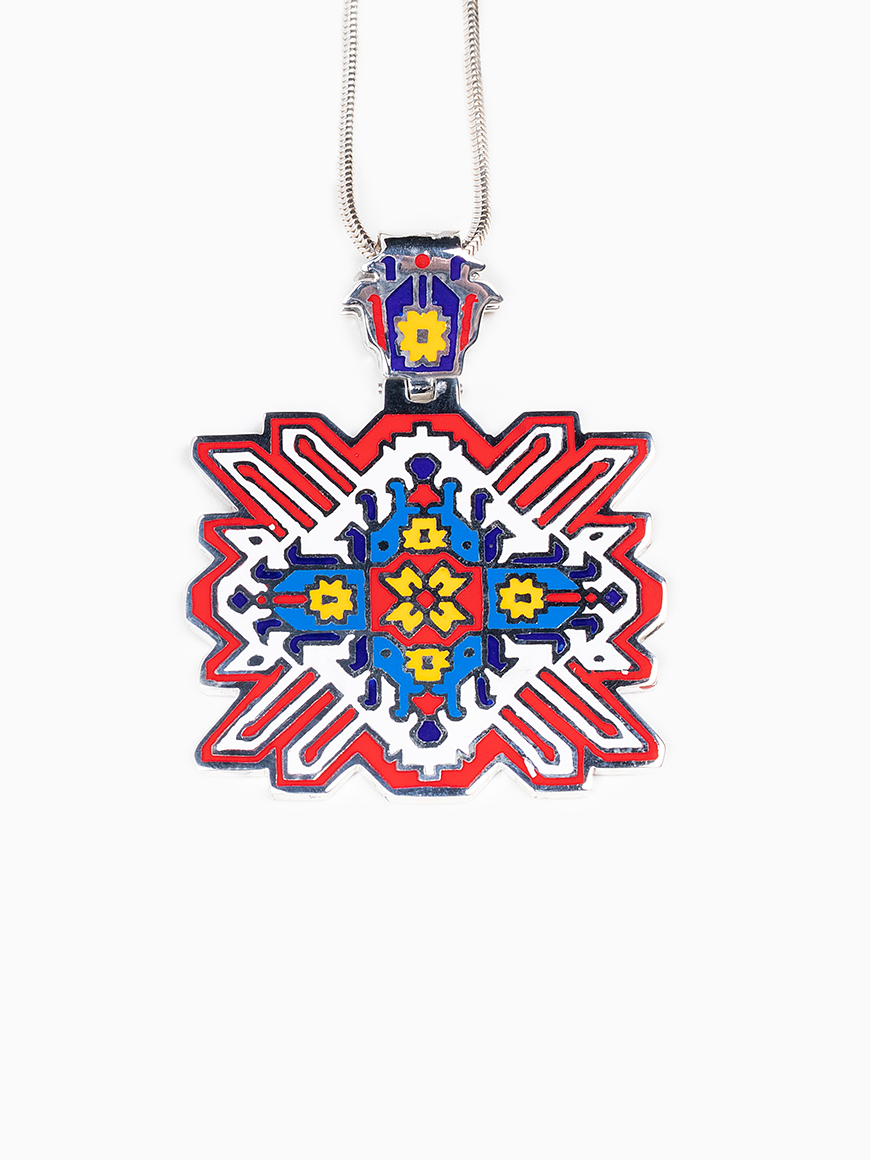
The Artsakh design motif is derived from an Artsakh rug dating back to the 12th–13th centuries. It was woven in Artsakh, Syunik, and Nakhijevan. At the center of the rug is a large cross adorned with paradisiacal flowers and pomegranates. The main field is light...
The ”Architectural” ornaments replicate the patterns of a distinct and separate branch of culture—ornamental art. As early as the Middle Ages, churches, houses, and other buildings were decorated with these motifs. These designs became widely popular and, in addition to architectural monuments, were reproduced on...
The ”Architectural” ornaments replicate the patterns of a distinct and separate branch of culture—ornamental art. As early as the Middle Ages, churches, houses, and other buildings were decorated with these motifs. These designs became widely popular and, in addition to architectural monuments, were reproduced on...
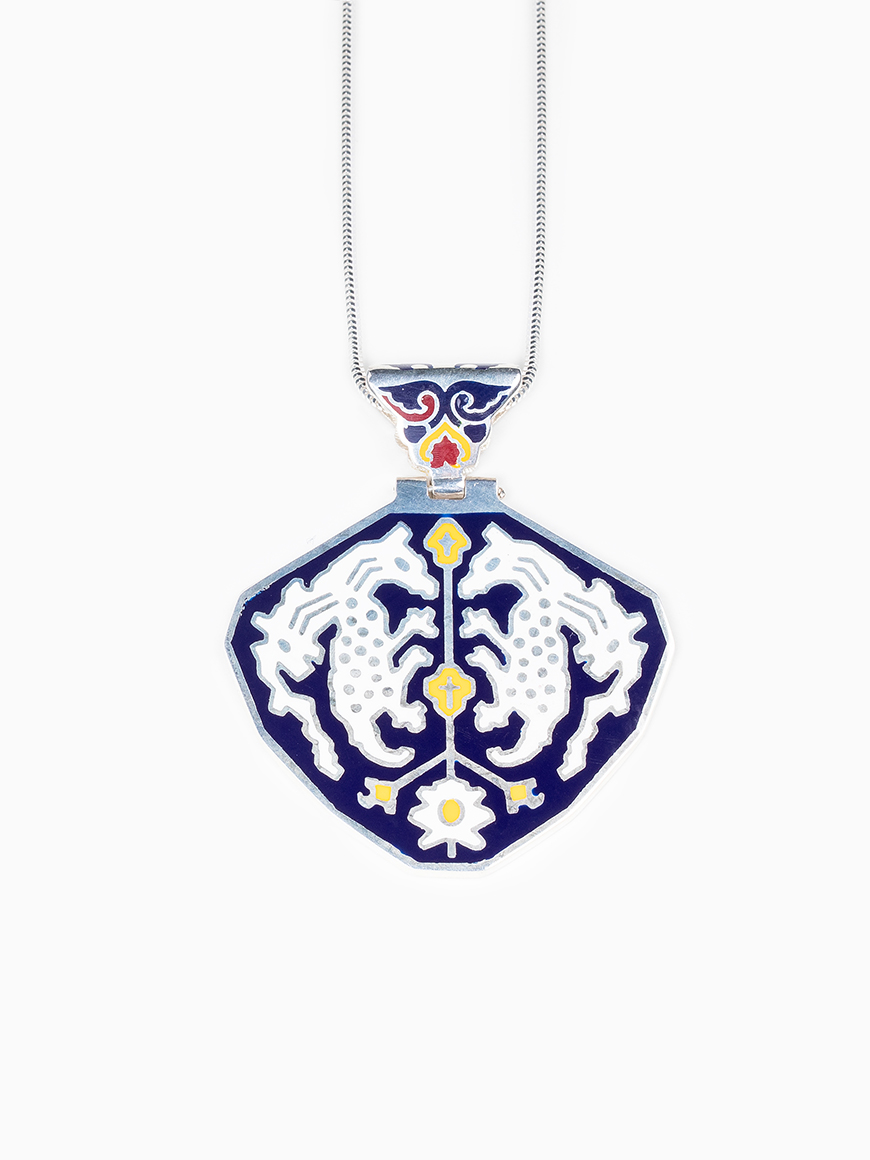
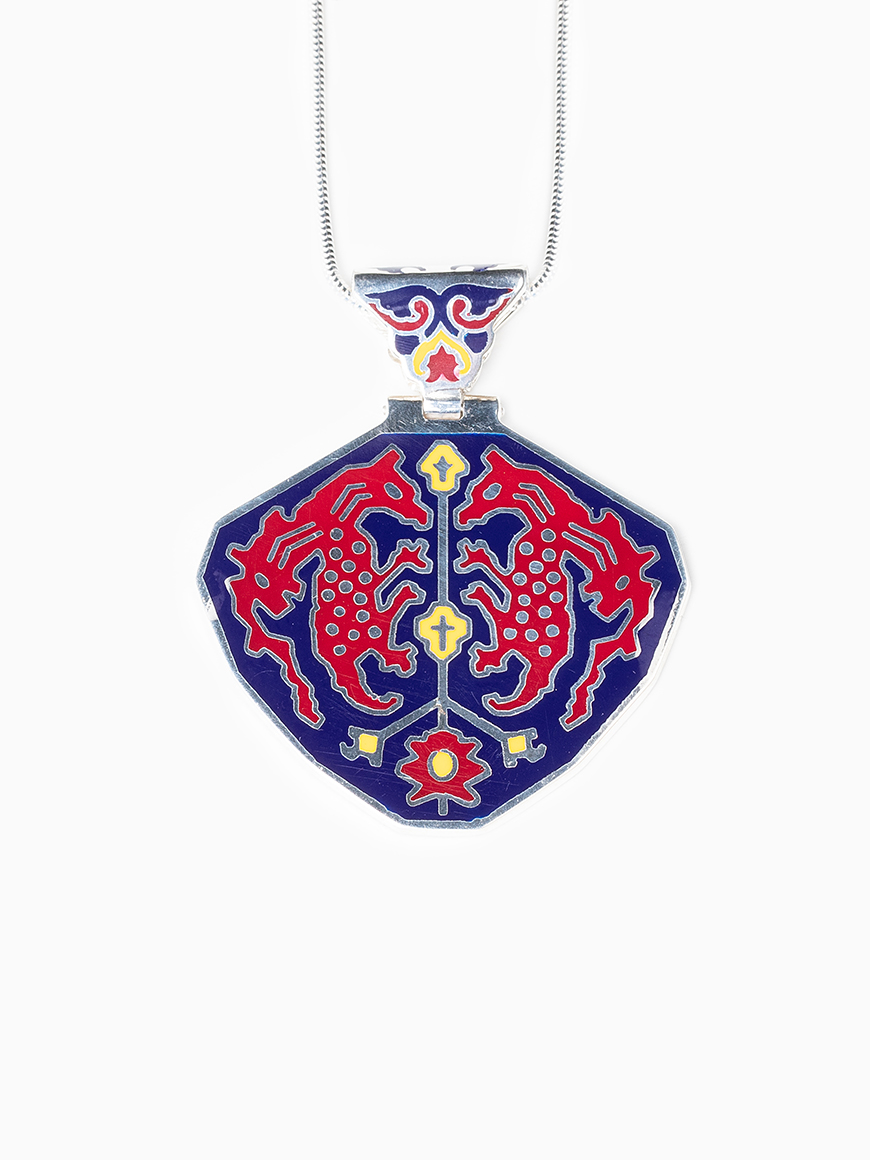
The ”Dragon” type ornaments are inspired by a 16th-century Dragon rug housed in the Museum of London. Throughout history, there have been various designs of dragon rugs, but in Armenian carpet weaving culture, the dragon represents the embodiment of a national hero as well as...
The ”Dragon” type ornaments are inspired by a 16th-century Dragon rug housed in the Museum of London. Throughout history, there have been various designs of dragon rugs, but in Armenian carpet weaving culture, the dragon represents the embodiment of a national hero as well as...
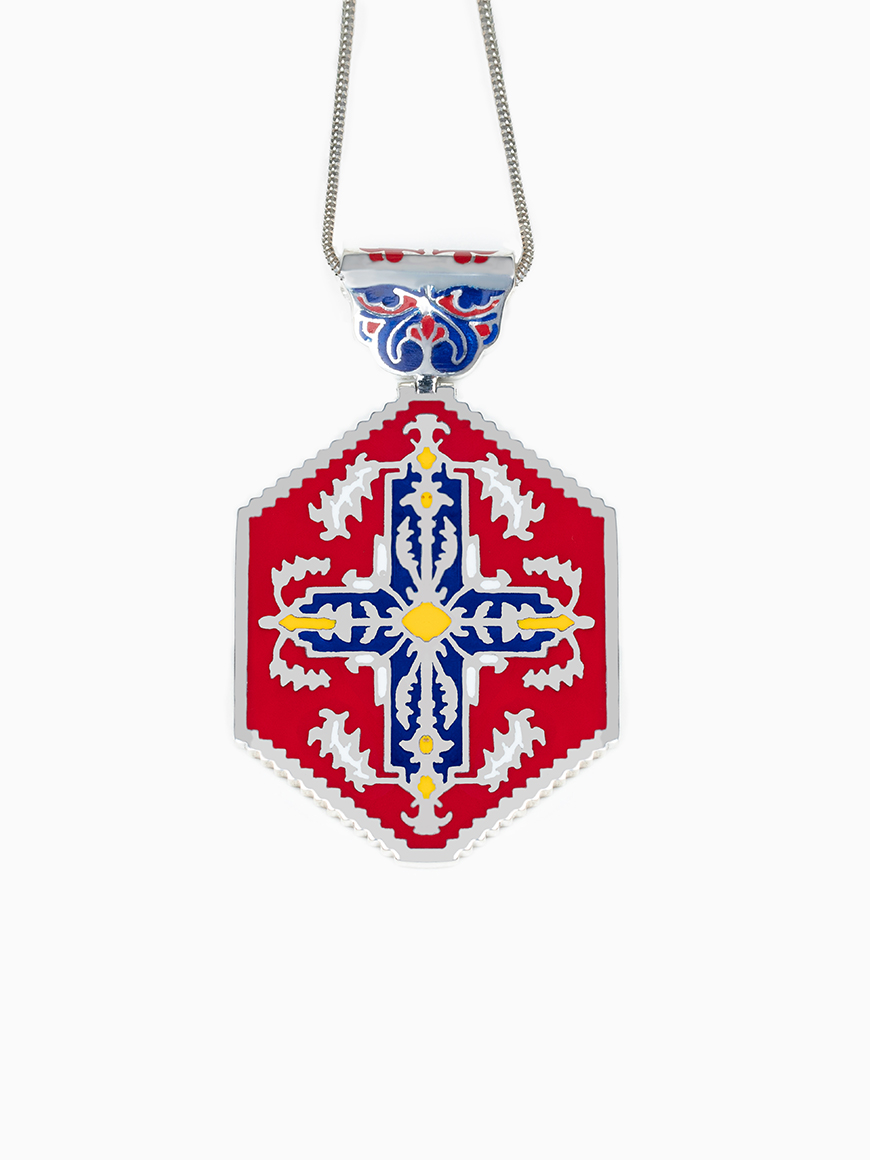
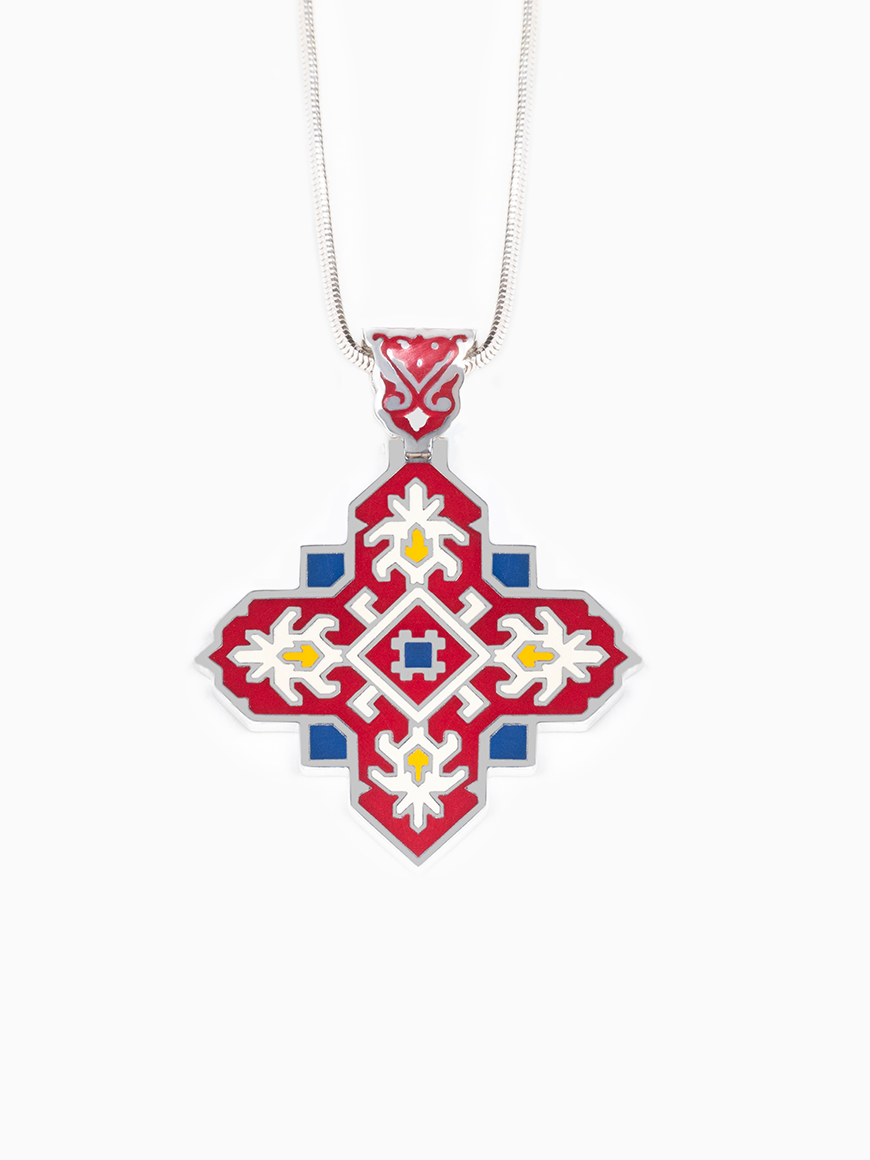
The Gayane carpet holds a special place in the tradition of Armenian rug weaving, being one of the rugs named after Armenian women. This rug not only has artistic value but also carries deep cultural and symbolic significance. It belongs to the category of cross-patterned...
The Gayane carpet holds a special place in the tradition of Armenian rug weaving, being one of the rugs named after Armenian women. This rug not only has artistic value but also carries deep cultural and symbolic significance. It belongs to the category of cross-patterned...
The ”Gohar” series of ornaments is derived from the ”Gohar” rug, dated to 1680 and bearing an Armenian inscription. This rug belongs to the family of dragon rugs. At its center is a cross, which is part of the ”Tree of Jesse” motif. On the...
The ”Gohar” series of ornaments is derived from the ”Gohar” rug, dated to 1680 and bearing an Armenian inscription. This rug belongs to the family of dragon rugs. At its center is a cross, which is part of the ”Tree of Jesse” motif. On the...
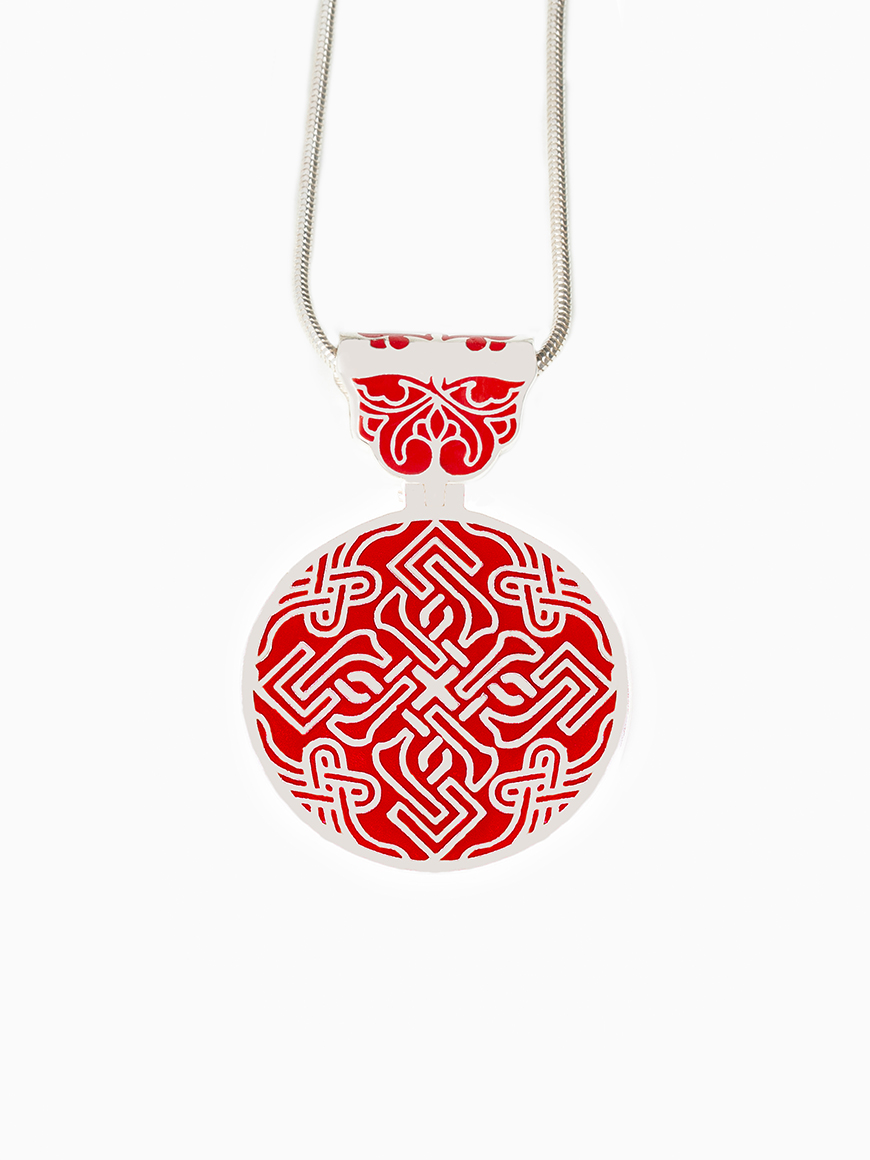
The ”Jraberd” ornament replicates the floral cross-like pattern of the ”Jraberd” rug, which is entirely embroidered with hook-shaped motifs resembling sun rays. This rug belongs to the family of dragon rugs. Samples dating from the 17th–18th centuries are known. This design was woven in the...
Free Wordlwide delivery
Lorem ipsum dolor sit amet, consectetu adipiscing elit, sed eiusmod lorem tempor incididunt.
24/7 Support Center
Lorem ipsum dolor sit amet, consectetu adipiscing elit, sed eiusmod lorem tempor incididunt.